• Free Local Delivery over $100!
  • Join the Kanna Collective and get a Kanna seltzer!

Author: sam bruton

Silhouette of a human figure surrounded by virus-like shapes with text overlay: "Strengthen Your Immune System With CBD.

How CBD Can Strengthen Your Immune System?

There may be a beam of hope in the global pandemic’s darkness brought on by COVID-19 – a virus that causes acute respiratory distress and inflammation. Researchers are hoping to use CBD as a treatment for COVID-19 to relieve some of this virus’ more severe outcomes.

Researchers and medical experts from the Dental College of Georgia and the Medical College of Georgia (MCG) at Augusta University have recently uncovered some promising findings. They discovered that, while still not proven, CBD may help manage some of the acute inflammation brought on by the symptoms of COVID-19 that often result in organ failure and death.

Because CBD interacts with the endocannabinoid system, which supports the immune system, researchers are hopeful that CBD may be a useful tool for promoting better health.

What Is Coronavirus Disease 2019?

This novel virus, which emerged in late 2019, has upended business, travel, education, and so much more. It is easily transmitted via water droplets that occur in the aerosol humans respire. COVID-19 is characterized by fever and severe lung issues like coughing or shortness of breath.

What Is Coronavirus Disease 2019 kanna cbd

There is no vaccine for COVID-19 yet, although medical experts around the globe are racing to produce and safely test one. While waiting for the vaccine, doctors are looking for other ways to treat symptoms of COVID-19, especially the severe cases of lung inflammation.

A group of researchers, doctors, and medical experts at MCG have been studying CBD as a treatment for COVID-19, and the results have been more than favorable. Dr. Babak Baban and his team have found that CBD treatment may help patients suffering from a weakened immune system and low oxygen levels in their blood.

CBD may be especially helpful to those in the grips of cytokine storms, which are intense reactions from your body’s immune system in response to the attack of COVID-19.

What Is a Cytokine Storm?

In essence, a cytokine storm is the unmitigated release of cytokines – naturally-occurring proteins in the body that enable cell signaling. Since these proteins are pro-inflammatory, the cytokines’ surge can cause acute inflammation, resulting in pneumonia or acute respiratory distress syndrome (ARDS).

Chronic inflammation often presents as chronic obstructive pulmonary disease (COPD) or asthma. Since the lungs are a critical component of our respiratory systems, unbridled inflammation can be extremely dangerous or fatal.

CBD and Inflammation

Your body initiates inflammation as a defense to an outside attack, and unfortunately, inflammation also leads to pain. A complex signaling system of proteins prompts an inflammatory response in the body.

CBD and Inflammation kanna cbd

There are two ways that CBD may promote reduced inflammation. The first encompasses the inhibiting of an eicosanoid enzyme known as COX2. Eicosanoids make up part of the complicated signaling system used throughout your body. CBD’s anti-inflammatory properties block COX2’s message to initiate this particular defense system, reducing inflammation.

The other way CBD could help with acute or chronic inflammation is by interacting with the body’s cytokines and shrinking these pro-inflammatory proteins’ production.

How Can CBD Help?

The bad news is that the new infection rate isn’t leveling out quite as quickly as experts had hoped and a vaccine is still a long way off. The good news is there may be a way to strengthen the immune system and alleviate some of the virus’ worst pulmonary symptoms, giving the lungs time to heal.

How Can CBD Help kanna cbd

This virus attacks the respiratory system, making it dangerously inflamed, but CBD could help. Since CBD has anti-inflammatory properties and interacts with the endocannabinoid system, promoting homeostasis in the immune system, doctors hope to use CBD as a treatment for COVID-19.

When a patient is in the midst of a cytokine storm, also known as acute respiratory distress syndrome, a dose of pure CBD may be able to target the cytokines like interleukin, diminishing the intensely overactive inflammatory response from which the lungs are suffering.

CBD may help patients strengthen their immune systems to avoid a poor outcome from ARDS, which is often a mechanical ventilator or death.

With COVID-19, the resulting acute respiratory distress often leads to acute organ failure. If doctors can manage the cytokine storms better, they might improve the mortality rate of the coronavirus.

The Takeaway

Doctors at the Medical College of Georgia are optimistic that they will be able to use CBD as a treatment for COVID-19, but more research is needed. With the highest quality pure CBD, patients with acute respiratory distress syndrome may be able to alleviate the worst symptoms to re-regulate their blood’s oxygen levels.

CBD is a wonderful addition to any wellness regimen and it may promote essential health benefits for your wellbeing.

For the very best CBD oils, tinctures, and topicals, Kanna CBD has an ideal selection of products that suit every need and expectation. Our customer service experts are always available to discuss all things CBD.

A person holds a rolled cigarette behind jail bars, with a large cannabis leaf in the foreground.

Legalization Without Justice

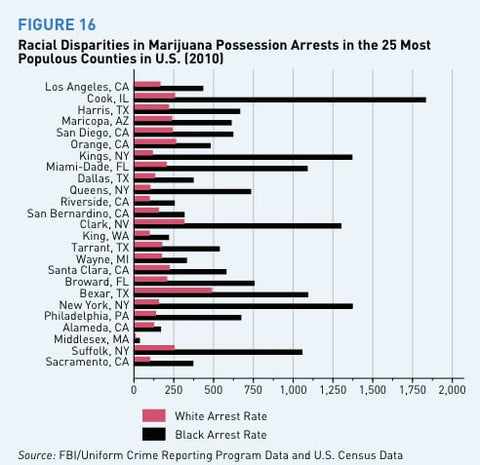
40,000 Americans are currently incarcerated for marijuana trafficking convictions, at an average yearly cost of $33,000 per prisoner. In 2018, legal marijuana profits in the United States were $10.4 billion. In states where marijuana is now legal, men and women wait in prison for justice reform. This hypocrisy cannot be ignored and needs to be rectified.

The war on marijuana has always been waged disproportionately on people of color. Marijuana was made popular by black jazz musicians and Mexican immigrants, and then adopted by white America during the period of alcohol Prohibition. After marijuana was federally criminalized in 1937, blacks have been been targeted vehemently for over 80 years. Following the formation of the Controlled Substance Act of 1970, marijuana became a schedule I drug and prison time sentences skyrocketed. The justice system of some states seem to be waging racial a jihad on marijuana.

The ACLU published a study in 2020 that takes an in-depth looks at the war on marijuana: its racial prejudices, the monetary cost to the country, and the toll it has taken on the liberty of millions of Americans who have been affected, arrested, or incarcerated.

In California, 2013, Corvain Cooper, a father of two and clothing store owner, was sentenced to life in federal prison for his part in marijuana distribution, under what is now a misdemeanor, but then a felony, and his third strike. His case for clemency was denied by the Supreme Court. He is now a board member of Last Prisoner Project and has a petition with 140,000 signatures for presidential release.

Last Prisoner Project, (LPP) a nonprofit coalition of cannabis industry leaders, executives and artists dedicated to bringing restorative justice to the cannabis industry. LPP offers financial aid to families of prisoners with marijuana convictions and legal representation for prisoners, has a scholarship program with Oaksterdam University to allow released prisoners to study at America’s first cannabis college, and yearly offers $50,000 in grants to Green Flower education.

A judge's gavel, cannabis bud, and joint are placed in front of text that reads "The MORE ACT" on a dark background.

The MORE Act

Marijuana Opportunity Reinvestment and Expungement (MORE) Act of 2019.

Specifically, this act removes marijuana from the list of scheduled substances under the Controlled Substances Act and eliminates criminal penalties for an individual who manufactures, distributes, or possesses marijuana. The MORE act would overturn over 80 years of marijuana prohibition and criminalization at the federal level.

The Marijuana Opportunity Reinvestment and Expungement (MORE) Act, a bipartisan legislation, was scheduled to be voted upon September 21, but has been postponed until after Election Day. The bill was introduced in July of 2019; it is sponsored in the House by Rep. Jerrold Nadler (D-NJ) and in the Senate by Kamala Harris (D-CA).

This milestone bill would remove cannabis from the Controlled Substance Act, expunge some criminal records and release some from prison, and create funding for people and communities impacted by the war on drugs.


Also included in the bill is a clause that would make Small Business Administration (SBA) loans available to businesses that are legally involved in the cannabis trade. The MORE act would impose a 5% federal tax on all cannabis, thereby ending the days when states that had legalized cannabis kept all of the sales tax and gave none to the federal government. The bill would also require the Bureau of Labor Statistics to regularly publish demographic data on cannabis business owners and employees.

The MORE Act would allow physicians affiliated with the Veterans Administration to prescribe marijuana in states where it is legal. This has huge implications on relief from pain, PTSD, and depression for veterans.

To date, 33 states and the District of Columbia have passed legislation to legalize medical marijuana. Eleven of these states also permit marijuana possession by adults. These states with legalized marijuana employ an average of 243,000 workers, four times as many jobs as the coal industry.

Here are the tax revenue breakdowns for three legalized states:

California: $72.6 million in the first three months of legalized sales in 2018 to $172.7 million in the last three months of 2019. In total, over $1 billion in tax revenue.

Massachusetts: $122 million tax revenue after two years of legalization.

Colorado: 2014 brought in $67.5 million. 2019 brought in $302 million. Cumulative revenue at $1.45 billion.

The National Organization for the Reform of Marijuana Laws (NORML) has been the most outspoken political action committee (PAC), and has reached out to congresspersons to get some clout for the bill.


In that past decade, only 3% of bills became ratified into laws. However, 76% of Democrats in Congress support legislation and 51% of Republicans do.

Like all congressional bills, after passing a committee in the House, the MORE Act will be passed by a simple majority in the House, debated by a committee in the Senate, and then voted by simple majority in the Senate. If the bill is passed by the Senate, President Trump then has the ability to sign the Act into law or veto the bill, as provided by the checks and balances of our political system.

Over 100 health professionals–clinicians, nurses, academics, researchers and social workers–have sent a signed letter to Congress, stating their expert opinions as to how this bill can help hundreds of thousands of people.

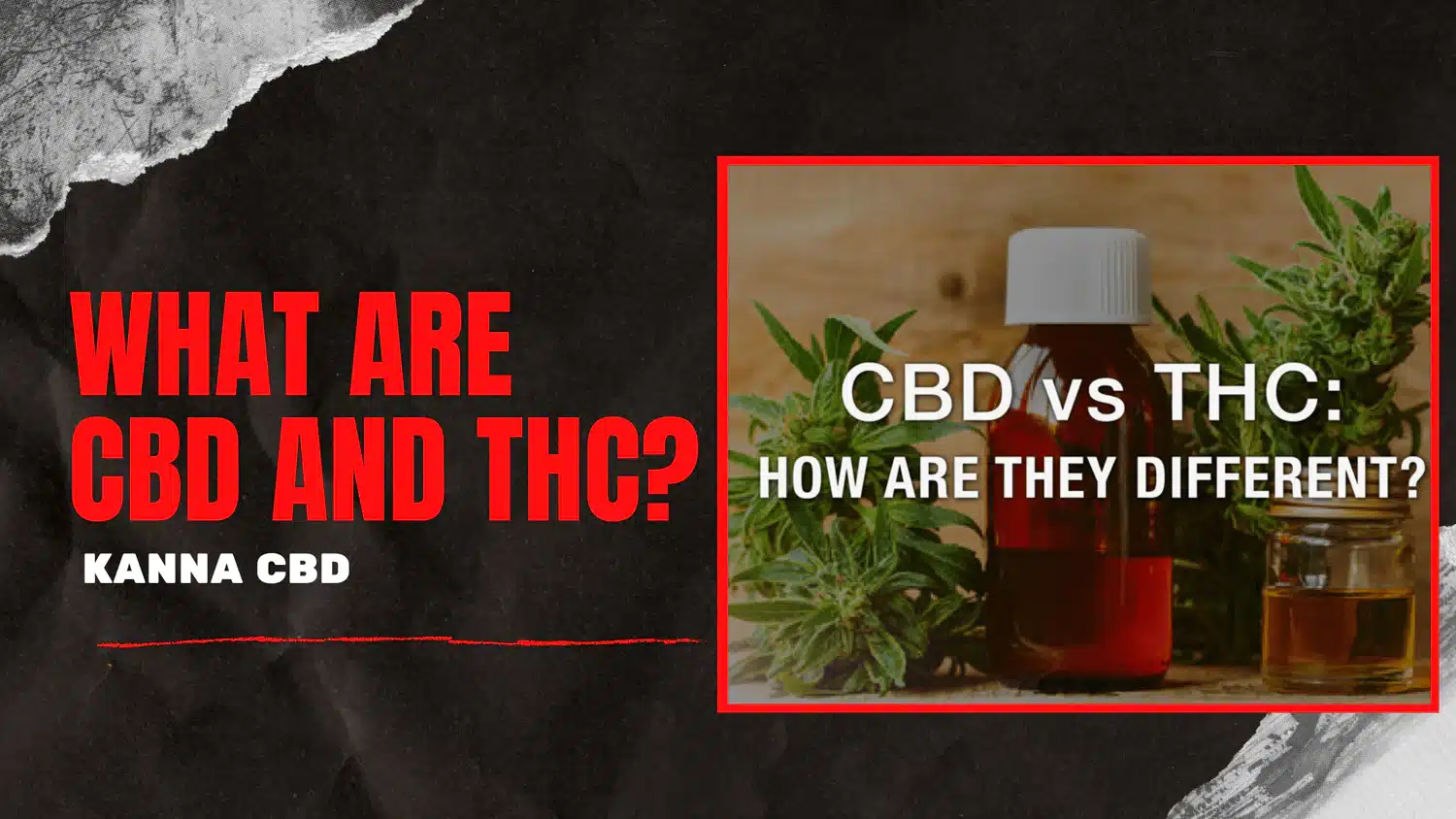
A bottle of brown liquid sits next to cannabis leaves with the text “CBD vs THC: How Are They Different?” on a graphic titled “What Are CBD and THC?” by Kanna CBD.

CBD vs. THC: How Are They Different?

Hemp and cannabis are plant cousins and both have a significant amount of cannabinoids, including CBD and THC. One of the main differences between these two plants is the ratio of cannabinoids in their makeup.

Cannabinoids are hundreds of naturally-occurring compounds found in industrial hemp and cannabis sativa. Two of the most prevalent are tetrahydrocannabinol (THC) and cannabidiol (CBD).

What Are CBD and THC?

Each plant has a distinctive balance of cannabinoids. Hemp has high amounts of CBD and minimal THC, while cannabis is the exact opposite, with high THC levels in its makeup and only some CBD.

One of the reasons that many people have adopted CBD into their wellness regimen is because it beneficially interacts with the endocannabinoid system. The ECS is one of the oldest mammalian organ systems.

As an anti-inflammatory, CBD oil may help manage symptoms related to aging, inflammation, and pain. Other CBD benefits result in a more even-keeled outlook and the ability to let some daily stress and anxiety go.

THC oil is also a plant-based remedy but the chemical structure of this cannabinoid is such that it will alter your mindset, imbuing a sensation of being high.

Chemical Structure

These two different cannabinoids have a very similar chemical structure except for one key difference. Both CBD and THC are made up of 21 carbon, 30 hydrogen, and two oxygen atoms; the difference lies in these atoms’ configuration.

CBD and THC Chemical Structure kanna cbd

CBD and THC interact with your body’s endocannabinoid system because they closely resemble the cannabinoids that occur naturally in your body and affect your brain’s release neurotransmitters.

When THC and CBD interact with your ECS, neurotransmitters related to your sleep, pain, and appetite functions, are released in new and beneficial ways.

Regardless of which neurotransmitters they affect and how they do it, CBD and THC’s clear distinction is that THC is a psychoactive cannabinoid, whereas CBD is not. Although hemp does contain trace amounts of THC, it’s not enough to alter your mindset.

Different Types of CBD and THC

People have adopted hemp and cannabis for hosts of reasons over the centuries. Industrial hemp is used for paper, building substances, and insulation, and now researchers are paying more attention to what CBD can do for our bodies.

Different Types of CBD and THC kanna cbd

There are different types of THC and CBD. As you grow more knowledgeable about these cannabinoids, you can tailor the oils or tinctures you use to create a customizable treatment.

The four main types of THC are:

  • THCA – The chemical progenitor of THCV, Delta-8 THC, and Delta-9 THC, may contain particular assets like reducing acute or chronic inflammation.
  • THCV – One of the byproducts of the chemical breakdown of THCA, this compound has a high boiling point and may suppress the appetite more than other compounds.
  • Delta-8 THC – Slightly less intense than Delta-9 THC, this compound produces mild sensations of euphoria.
  • Delta-9 THC – This compound is what you think of as the psychoactive component to cannabis and alters your perception to make you feel euphoric.

There are a few cannabinoids that are closely related to CBD, including:

  • CBDA – Much like THCA, CBDA is the main ingredient in hemp-derived CBD oils and tinctures, and suppresses the COX2 enzyme, decreasing inflammation.
  • CBN – Usually, there’s no CBN in a growing plant because it is created by THC’s breakdown and can produce mild sedative outcomes.
  • CBG –Studies on CBG suggest that it may help reduce bacteria and promote bone growth, among other things.
  • CBC – Most CBC is found in hemp or cannabis plants that grow in tropical areas. It may aid in the reduction of inflammation and the promotion of bone growth.

Whether you prefer a tincture, a CBD oil with THC, CBD isolate, or the benefits of smoking CBD the flower, the more you know about this incredible plant and the chemistry of the different cannabinoids in it, the more customized you can make your regimen.

The Final Word

The CBD industry is booming, and many have found a myriad of beneficial results from adding CBD and CBD products to their everyday routines. As you continue on your CBD journey, it’s vital to learn the difference between CBD and THC.

At Kanna CBD, we offer the highest quality products with a firm foundation in attentive customer service. Whether you’re new to CBD or have known about its valuable gains for a while, we can help you find the right CBD ratio for your daily health routine.

Black and white photo of 1900s cars parked by a busy beach, with crowds on the sand and buildings on a hill in the background. Text reads "The History of Hemp - The 1900s.

History of Hemp: Part 2 | Hemp Uses and Regulations 1900-1950s

The history of hemp in America is long and complicated. From being used as a valuable commercial crop for textiles, fuel, and paper to being condemned as a dangerous and corrupting influence on children, hemp’s tumultuous history saw its highest highs and lowest lows during the first half of the 20th century.


From Boom to Bust: The Cultivation of Hemp in America in the Early 1900s

The first two decades of the 1900s saw the production of hemp in America at its peak. During the late 1800s, the cultivation of hemp had spread to more states, and in 1841, Congress passed a law mandating that the US Navy only purchase cloth, sails, and rope from domestic hemp growers.


A huge growth period for the industry came between 1900 and 1920 and the public looked favorably on hemp cultivation at that time. In 1916, the USDA published a research article showing that hemp produced up to four times more paper products than tree pulp. Farmers were encouraged to grow the crop during WWI to aid the war effort and provide fiber and fuel for soldiers.


However, the boom in the hemp industry was followed by a rapid decline and a dark period in the history of hemp prohibition.


Why Was Hemp Made Illegal in 1937?

Ultimately, hemp’s value as a high-production, low-cost fibrous crop was impeded by politics. In 1937, the US government passed the Marijuana Tax Act which heavily taxed all products sourced from any species of the cannabis plant, discouraging companies from cultivating hemp.


This also meant that industrial hemp products were conflated with marijuana products because people did not understand the biological difference between the two plants. Both cannabis and hemp gained a reputation for causing mental illness and moral decline.


This reputation was, in part, propagated by deeply ingrained racist values held by the white American population at the time. An influx of Mexican immigrants in the early part of the 20th century saw an increase in the use of cannabis for recreational purposes as an affordable alternative to alcohol during Prohibition.


Fear around recent immigration and the use of cannabis in the Black and Hispanic communities led to the release of a propaganda film in 1936 called Reefer Madness. The film depicted young people smoking the herb and going on to perform various violent acts.


What followed was a fear-mongering campaign led by the man behind the implementation of the 1937 Marijuana Tax Act, Harry Anslinger. Anslinger connected the scientifically unproven idea that cannabis causes violent episodes with xenophobic ideas of moral looseness.


Rebuilding the Hemp Industry

A bright spot in the hemp history timeline occurred during the 1940s when innovative minds attempted to reinvigorate the waning hemp industry. Following the taxation and subsequent ban on hemp products, industry and tech leaders attempted to repair the damage done to hemp’s reputation by clearing up the misinformation spread by the US government.


In 1938, the year after the Marijuana Tax Act was implemented, a trusted publication, Popular Mechanics, published an article elucidating over 25,000 uses for the industrial hemp plant. The article describes the herb as the new billion-dollar crop and emphasizes its cost-efficiency and methods for harvesting.


In 1941, Henry Ford put those claims to the test by building a model car body from bioplastics, including hemp fibers. He mused that the hemp fibers and bioplastic combination was 300 pounds lighter and 10 times stronger than steel. Ford predicted that the cellulose plastic car, which also ran on hemp-based fuel, offered a more affordable, safer, and lightweight mode of transport.


However, due to the imperfect process of creating and maintaining a plant-based car, which included using formaldehyde to process the plastic, the car’s body did not emit a pleasant smell. World War II also interrupted Ford’s dream of manufacturing plant-based cars commercially, as US factories shifted their focus toward production of war-time supplies. The plant-based car that ran on biofuels got lost in the shuffle, and powerful fossil fuel lobbyists made sure gasoline remained the auto industry standard.


The hemp industry saw a short resurgence during WWII. The USDA created a film called Hemp for Victory, which encouraged US farmers to grow hemp due to a shortage of imported fiber crops from the Philippines and East Indies since these countries were controlled by the Japanese. This led to over 150,000 acres of hemp crops being planted across the United States, with farms producing over 40,000 tons of hemp each year.


Unfortunately, after the end of the Second World War, the need for agricultural hemp began to dwindle and the heavy taxes still in place made farming hemp cost-prohibitive for most farmers. The hemp industry also had to contend with the growing War on Drugs which targeted marijuana as a gateway drug to heavier narcotics. The last commercial hemp fields were planted in Wisconsin in 1957 until 2007, when hemp licenses were granted to just two North Dakota farmers.


However, hemp farming would not become commonplace in the United States until after the passage of the 2018 Farm Bill.


Final Thoughts

The history of hemp in America has shown that overcoming the negative attitudes around hemp products can open up a world of possibilities for new developments in technology and health. Hemp is a vital and sustainable natural resource and understanding the history and science behind hemp production can help clarify any misinformation.


Kanna CBD offers full-spectrum CBD products derived from non-GMO, organic hemp grown in the USA. If you want to understand more about the benefits of CBD, try our Tranquility 1000mg CBD tincture or call us at (980) 237-6651.


Images

https://cdn.pixabay.com/photo/2020/06/30/15/23/hemp-5356755_1280.jpg

https://upload.wikimedia.org/wikipedia/commons/3/37/Reefer_Madness_%281936%29.jpg

https://live.staticflickr.com/4002/4383628868_f4f841d2ab_z.jpg


References

Dewey, L H. and Merrill, J.L. (1916). Hemp Hurds as Paper-Making Material, United States Department of Agriculture Bulletin No. 404. Project Gutenberg. Retrieved from https://www.gutenberg.org/files/17855/17855-h/17855-h.htm


Pagano, A. (2018, March 2). The Racist Origins of Marijuana Prohibition. Business Insider. Retrieved from https://www.businessinsider.com/racist-origins-marijuana-prohibition-legalization-2018-2


Arbuckle, A. (n.d.). 1936-1950 Anti-Weed Film Posters. Mashable. Retrieved from https://mashable.com/2016/04/18/anti-weed-film-posters/?europe=true


Popular Mechanics Magazine (1938). New Billion Dollar Crop. Herb Museum. Retrieved from http://www.herbmuseum.ca/files/(1938)BillionDollarCrop.pdf


Plumb, C. (n.d.) Henry Ford’s Hemp Car (1941). Very Magazine. Retrieved from http://www.verymagazine.org/magazine/216-overview-issue20/877-henry-fords-hemp-car-1941


Evans, R. (Director) (1942). Hemp for Victory. [Film] United States Department of Agriculture. Retrieved from https://publicdomainmovie.net/movie/hemp-for-victory

A large wooden sailing ship with three masts and British flags sails on a calm river near a forested shoreline.

History of Hemp Part 1: pre-1900

History of Hemp Part 1 | Pre-1900 Hemp Uses


It would be an understatement to say that up until the early 20th century, hemp was one of humanity’s most important crops. The history of the hemp plant is filled with incredible and widespread uses, which invalidates today’s stigma surrounding this crop. Let’s take a look at the history of the hemp plant and all of its applications before the 1900s.

What Is Hemp?


Hemp is a variety of Cannabis sativa L.  — a close relative to marijuana — known for a multitude of uses throughout history. In the modern age, hemp’s popularity skyrocketed after it was discovered that its main component, cannabidiol (CBD), offers an array of benefits that support our wellbeing. Another contributing factor to the rise of the hemp plant is its low delta-9 tetrahydrocannabinol (THC) levels. Hemp contains low levels of THC, which is the psychotropic compound in cannabis that interacts with the brain’s receptors to produce a “high.”


Despite the likelihood that hemp cultivation was humanity’s first industry, today, the plant is a tightly regulated legal crop whose plant parts (mainly smokable flower) are still prohibited for use in some U.S. states. The Marijuana Tax Act of 1937 grouped hemp with marijuana and hemp production for commercial purposes was banned by late 1937. One of the reasons for the ban was the anti-hemp propaganda that led citizens to falsely believe that hemp and marijuana were the same plant and that it would make people crazy. The driving force of the propaganda was racism against people of color, persuading white Americans to believe that consuming marijuana would lower their moral values. After a 80-year hiatus, hemp became legal in the United States with the passage of the 2018 Farm Bill. Let’s take a look at the hemp history timeline.

8000 BCE — Discovery of Hemp Fiber


There is evidence that hemp fibers were likely first used at this time. Archeologists in Taiwan uncovered a remnant of hemp strands in pottery, dating from 8000 BCE. Just to put this into perspective, the production of linen and cotton began 3500 BCE and 2500 BCE, respectively. Archeologists also found traces of hemp cloth dating from around the same period in Mesopotamia — today’s Iran and Iraq.

2000 BCE – 800 BCE


According to Atharvaveda, a sacred Hindu  text, hemp is a “sacred grass” and one of India’s sacred plants. It is believed that hemp arrived in Europe in 1200 BCE.


600 BCE – 200 BCE


Northern Europe continued to use hemp between 600 BCE and 200 BCE. Archeologists have discovered hemp rope in Russia and Greece, as well as hemp seeds and leaves in Germany, dating back to this time period.

200 BCE


Ancient Greece transported hemp from France to make rope for ships.

150 BCE — World’s First Hemp Paper

The hemp revolution during ancient times left writing on stone, wood, bamboo, and parchment behind it for good. It is believed that the Chinese produced the world’s first paper entirely from hemp in 150 BCE. The oldest surviving piece of hemp paper is a Buddhist text dating from the 2nd or 3rd century AD. But, despite the evidence that hemp paper appeared before the common era, legends attributed the invention of hemp paper to the Chinese bureaucrat Ts’ai Lun. Allegedly, the inventor Lun revealed the new product in 105 AD. In an effort to increase the product’s popularity, he claimed that burning hemp paper could raise the dead.

100 AD

Hemp ropes found in England date from 100 AD. England did not cultivate hemp until 400 AD, so until then, they imported hemp for the production of hemp cords.

200 AD

When hemp began to be consumed as food is unknown, but Galen (130-200 AD.), a physician in the Roman Empire, mentions that Romans enjoyed a hemp seed dessert.

570 AD

The French queen Arnegunde was buried with gold, jewels, and a hemp cloth, which may suggest that, at the time, hemp enjoyed royal status.

850 AD

Vikings used hemp ropes and took hemp seeds with them to Iceland as early as 850 AD.

900s AD

The method by which hemp paper was produced was held a secret for hundreds of years by the Chinese. But, it eventually spread to Japan, and the Arabs learned it in the 900s AD.

1000s AD

Venice was known for its high-quality production of hemp fibers and ropes. Italian ships were outfitted with hemp fibers and ropes and dominated the oceans. The laws for growing and producing hemp were stringent in Venice, where poor products were kept at bay with harsh fines and beatings.

Hemp and North America

Hemp was pivotal for economic and social development as it met the world’s demand for food and fiber. By the 1500s, England’s navy needed hemp rope because it is three times stronger than cotton and has great resistance to saltwater.

1553

King Henry VIII passed an act that required every farmer to grow hemp. Farmers who opposed it paid a fine. Later on, the king’s daughter, Queen Elizabeth the I increased the penalty, but to no avail. Farmers preferred to pay a fine than raise hemp because cultivating it brought in little income and has a strong smell when decomposing. Starting from this era to the 1920s, approximately 80% of clothing was made from hemp.

1600s – 1800s

The unwillingness of local English farmers to grow hemp led to the crop being transported from Russia. But, Russians allegedly had a reputation for bad business practices. To decrease the dependence on hemp from Russia, England commanded the American colonies to grow hemp.

Hemp existed in North America before the arrival of the Europeans. The first permanent English settlement in the Americas, Jamestown, grew hemp for ropes, clothing, and sails. When shipbuilding started in Massachusetts in 1629, merchants started purchasing every stalk of hemp available. By the 1700s, all colonies used their locally-grown hemp for oil, clothing, rope, and sailcloth.


In 1776, the United States Founders wrote early drafts of The Declaration of Independence on none other than hemp paper. Until the late 1800s, Missouri, Illinois, and Kentucky farmers produced the most hemp and it was also used to produce oil.


Hemp has been around for thousands of years, helping humanity survive. After the 1900s, the government deemed hemp a controlled substance and we’ve been missing out on all of its potential benefits. In 1937 hemp was banned as new manufacturing industries were entering the market including cotton, timber and synthetic plastics. The other factor at play was the influence of Harry J. Anslinger, who was an anti-cannabis prohibitionist and the first director of the then Federal Bureau of Narcotics. We explain how it all unraveled in Part 2 and Part 3 of our series on History on Hemp.


It’s important to overcome the stigma around this miracle plant once and for all, and use this versatile and natural resource for a better, cleaner future. KannaCBD offers full-spectrum, non-GMO, hemp-derived CBD products rich in naturally-occurring cannabinoids and terpenes. If you are a North Carolina CBD enthusiast, consider our customer-favorite Clarity 1000mg CBD Oil, perfect for daytime use.


References


Earleywine, M. (2002). Understanding marijuana: A new look at the scientific evidence. Oxford: Oxford University Press.

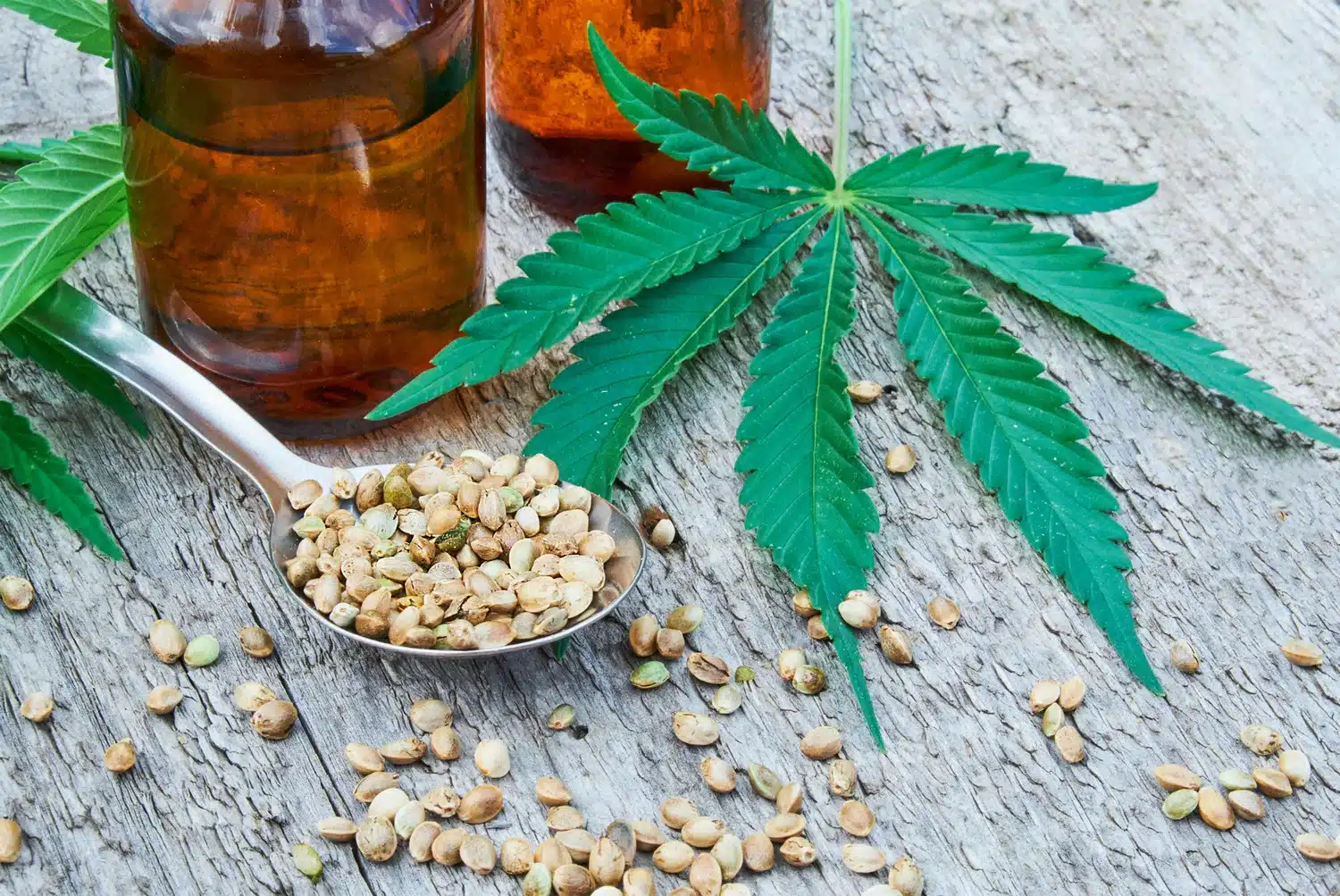
A spoonful of hemp seeds, two amber glass bottles, and a cannabis leaf on a wooden surface.

Four Easy and Effective Ways to Add Hemp CBD Into Your Wellness Routine

Are you tired of hearing how important it is to incorporate that natural product or ingredient into your wellness routine? If you are, we don’t blame you. The wellness market is oversaturated with so many must-haves and, after a while, you start to feel numb to new and actually helpful products. If you are picky about adding new products into your daily routine, you might have been skeptical about including hemp-derived CBD. Reports show that one in seven Americans uses CBD-based products, primarily for pain, anxiety, and sleeplessness. However, the vast majority of Americans don’t understand the incredible advantages this component offers.

Many know about the use of CBD solely in the form of tincture or oil but the market offers various interesting ways to benefit from this component. But, before we get into the practical ways to include hemp-derived CBD into your wellness routine, let’s discuss the why behind this component.

Why Should CBD Be an Important Part of Your Wellness Routine?

Cannabidiol (CBD) is a non-psychotropic compound found in the hemp plant. CBD became such a popular compound in the wellness world because it’s a powerhouse that wakes up the body’s endocannabinoid system (ECS). According to studies, the endocannabinoid system is a newly-discovered system of receptors “scattered” all around the body and the brain. The ECS maintains the homeostasis (balance) of the human organism by playing a significant role in regulating the immune system, mood, appetite, pain sensation, and more.

For centuries, people have been using marijuana for medicinal purposes. Today, people are avoiding the plant because of its high levels of tetrahydrocannabinol (THC), the psychotropic component in cannabis. With CBD, it’s an entirely different story because this component does not create any psychotropic effect, or get the user “high.” CBD does have psychoactive effects (different from psychotropic), which means it has the power to drive change in the body without getting the user stoned.

why should cbd important part of your wellness routine kanna cbd

Four Easy and Effective Ways to Incorporate CBD into Your Wellness Routine

1. CBD Bath Bombs for Relaxation and Sleep


Exhausted after a long day? If you are an avid user of bath bombs (they are kind of addicting), consider switching from a “regular” to a CBD-infused bath bomb. CBD helps relax your entire body, so you are guaranteed a chill and quiet evening followed by a good night’s rest. This potent and natural CBD bath bomb will help you relax and heal at the same time. Formulated with a powerful combination of natural ingredients, this vegan CBD bath bomb brings up to 100 mg of healing CBD into your bathtub.

Soak your skin in the soothing properties of CBD and shea butter, perfect for moisturizing and protecting your skin. The anti-inflammatory effects of CBD will calm your skin and give it a much-needed break from all of the daily stressors.

Winding down after a long day or long week is vital for your wellbeing. Wash off all of the negative events of the day with our natural, additive-free bath bombs. We promise you, you won’t find a better product for your bathtub nighttime wellness routine.

2. CBD Tincture to Jumpstart Your Morning

Primarily used to help anxiety and pain, CBD tinctures have great absorption rates — if taken sublingually (under the tongue) — and provide you with a long-lasting dose to help you jumpstart the day. CBD tinctures are everywhere, but not all of them are made equal. Kanna CBD’s Vitality CBD Tincture contains 1000 mg of full-spectrum hemp extract. The reason why you should always go for full-spectrum CBD products is that they contain an abundance of hemp cannabinoids, terpenes, and other nutrients naturally found in the hemp plant.

According to research, the more components your CBD oil contains, the more potent it is. If the tincture you are getting is rich in various hemp compounds, they will work together to create a more powerful effect, also known as the “entourage effect.” This effect will not be initiated if you are using a CBD oil that contains CBD as its only ingredient and has no terpenes. Terpenes play a major role in the potency and effectiveness of a CBD extract. For example, limonene is a hemp terpene also found in citrus fruits like oranges and lemons and is considered a strong mood booster that can relieve stress and anxiety due to its anti-inflammatory and antioxidant effects. Therefore, our Vitality CBD Tincture is enriched with organic coconut oil, organic hemp seed oil, and the terpene limonene.

cbd tincture to jumpstart your morning kanna cbd

3. Healthy Skin with CBD Birch Tar Recovery Bar

Traditionally used for treating acne, skin irritation, and discoloration, this Birch Tar Bar is pure African Black Soap infused with CBD and Sea Clay, making a powerful anti-inflammatory and antiseptic combo. Coming straight from nature, the African Black Soap’s drying properties have an immediate effect on skin irritations. If you are dealing with common skin conditions, you should try a different approach to the usual treatments or add this natural CBD-infused product to your routine.

The Sea Clay will hydrate and moisturize your skin, which makes this product perfect for dry skin or skin conditions such as acne, psoriasis, and eczema. In fact, one study revealed that the use of black soap helps reduce symptoms of various dermatological conditions. Although more research is needed on the connection between CBD and skin health, some studies show positive results. A study that evaluated the health of the skin before administration of a topical CBD ointment found that the CBD-enriched ointment without THC can significantly improve the lives of patients with certain skin disorders.

Healthy Skin with CBD Birch Tar Recovery Bar Kanna CBD

5. Pain Relief with CBD Cooling Gel

As we get older, our bodies become less flexible and more prone to different injuries, pains, and aches. Having a product that helps your muscles and joints heal faster after exercise, long hours of sitting, or acute back, neck, or shoulder injury, can greatly improve your wellbeing. This CBD-infused cooling gel is a powerful formula that provides quick relief from sore and tired muscles, tight spots, and back pain. Ideal for both regular and occasional use, this CBD cooling gel will give you a pleasant massage on the affected area and instantly ease inflamed spots and acute upper and lower back pain. No more tension with this CBD cooling gel as the product addresses a specific area directly.

How does the gel work? When you are using CBD topicals such as this cooling gel, the CBD doesn’t reach the bloodstream but gets absorbed through the skin’s surface where the cannabinoids in the gel interact with the cannabinoid receptors located in the skin. It’s important to note that the skin has low permeability, meaning it only absorbs a small percentage of topicals. So, to increase the effect of CBD cooling gel to the skin, regular use is essential.

Considering the amount of new natural products that promise to boost your wellbeing, you might be skeptical about adding a new one. But, with all of the benefits hemp-derived CBD products offer to the endocannabinoid system, adding at least one CBD product to your routine might be game-changing in the long run. Routines are there to be shaken up and improved, so order your CBD product today and see how it works for you.

Kanna Collective is a Charlotte CBD company dedicated to bringing the purest, most high-quality CBD products on the market. All of our products are based on researched and studied best practices on hemp CBD. 

Two climbers in helmets and harnesses are on a rocky, moss-covered surface; one climber extends a hand to help the other up. The background is a plain teal color.

Hemp vs. Marijuana

The difference between hemp and marijuana is a topic that is all too often improperly explained.

As demand for CBD continues to skyrocket, the CBD industry has developed into a unique market that is independent, yet still tied into the Cannabis industry. Due to the confusion and complications that this can present for CBD users, it has become increasingly important to understand the difference between hemp vs. marijuana, and how they relate to Cannabis.

What is Cannabis?

In order to truly understand this subject, you must first understand Cannabis as a whole.

A scientist and naturalist of the 18th century, named Carl Linnaeus, invented a system of classifying all living species and defining their relationship with one another. You probably learned about Species Classification in your high school biology class, but here is a quick refresher. In this system, each individual “species” belongs to a “genus”, a “family”, an “order”, a “class”, a “phylum”, and a “kingdom”.

Cannabis is a genus of flowering plants in the Cannabaceae family, which consists of three primary species: Cannabis sativaCannabis indica, and Cannabis ruderalis.

Cannabis Species | Hemp vs. Marijuana | CBD Origin

Cannabis sativa is what people are often picturing in their mind when they talk about cannabis. It grows naturally in and around tropical regions, such as Central America, Africa, and Asia. It was first described by Karl Linnaeus, who named it Cannabis sativa L, with the L referring to his surname. Sativa is the tallest known type, often reaching 2-4 meters in height.

Cannabis indica was discovered later. It flourishes in arid, mountainous regions, such as the hills of Afghanistan and parts of India. Indicas are much shorter and bushier than sativas; some say they resemble a small Christmas tree.

Finally, there is Cannabis ruderalis. It grows predominantly in the northern hemisphere in China, Russia, and Poland. Ruderalis is well adapted to surviving harsh environments and climates. It is a reasonably small and hardy plant. In the past, humans used ruderalis plants for fibers and nutrition.

Over time, these three species of cannabis have been bred together repeatedly in order to maximize growth potential and potential medicinal effects. It can be difficult to make a clear distinction between the species, as most commonly bred plants are now these hybrids.

While hemp and marijuana are regularly referred to as “species” or “strains” of Cannabis, they actually do not qualify as either one. Hemp and marijuana are simply broad classifications of Cannabis that were adopted into our culture; however, they are not legitimate nomenclature for the Cannabis plant.

To clarify the difference between “hemp” and “marijuana”, and clear the smoke on this frequently misinformed subject, let’s explore what each of these terms actually means and how they relate to Cannabis.


What is Hemp?

“Hemp” is a term used to classify varieties of Cannabis that contain 0.3% or less THC content (by dry weight). While the legal definition described had not been legitimized until the Agricultural Act of 2018 (commonly known as the 2018 Farm Bill) had passed, “hemp” has generally been used to describe non-psychoactive Cannabis that is harvested for the industrial use of its derived products.

With evidence of its use recorded throughout history (including the discovery of material made from hemp over 10,000 years ago!), many believe that hemp was the first crop ever cultivated by mankind. With the capabilities to produce crucial resources such as food, rope, clothing, paper, housing material, and more, “hemp” has been the catalyst for man’s earliest innovations.


What is Marijuana?

“Marijuana” is a term used to classify varieties of Cannabis that contain more than 0.3% THC by dry weight (some up to 30%) and can induce psychotropic or euphoric effects on the user.

While the use of this term is widespread throughout American culture, most informed individuals and organizations in the Cannabis industry refuse to use the term because of the negative history associated with it.


The Confusion Presented by Hemp vs. Marijuana

Based on the context used to describe Hemp and Marijuana, the defining characteristic between the two is based on a single factor––the amount of THC in the plant––or rather whether it will get the user “high”.

While the intoxicating properties of each plant is an important factor to consider, categorizing Cannabis as either hemp or marijuana based on a single characteristic presents a skewed portrayal of Cannabis which prevents users from fully understanding its diversity.

To give you a comparison, consider the taxonomic hierarchy of fruits in the citrus species:

Hemp vs Marijuana - Cannabis Genus Classification Comparison - CBD Origin

As portrayed in the chart above:

Categorizing Cannabis as either Hemp or Marijuana is akin to classifying all fruits in the citrus genus as either sweet or sour, without acknowledging the diverse characteristics of each fruit. For example, lemons and limes are indeed similar and are both sour, but if you ONLY describe them as sour, then another person who didn’t know the differences would not be able to understand how each one should be used for differing flavors, acidity, etc.

In addition, hemp and marijuana can often appear indistinguishable from one another. This has already led to numerous issues of law enforcement officers making arrests and seizing “hemp” that is now 100% legal because it looks exactly like “marijuana.”

The classification of hemp or marijuana, absent of a true understanding of Cannabis, presents a clear issue of functionality in our society. The obvious solution is for these words to have never existed; however, now that these terms have become deeply ingrained in our society, this problem will be difficult to reverse. The only realistic solution is to re-educate our society over time.

In the meantime, it’s probably best to stay informed about what hemp and marijuana mean and how they are used in our society and legal system to know your rights and avoid any complications when using hemp or CBD products.


4 Key Differences Between Hemp and Marijuana

As varieties of the same plant species, hemp and marijuana share many similarities and can even appear exactly alike. With contrasting legal regulations and very different effects and usages, you definitely do not want to get these two confused. To understand just how different these two are, consider these 4 key differences between hemp and marijuana.

1) Composition: The defining characteristic between hemp and marijuana is the chemical composition contained within each plant.

a. Both hemp and marijuana can produce high amounts of CBD, the non-intoxicating cannabis compound; however, THC is produced at very different levels.

b. While hemp can contain no more than 0.3% THC by dry weight, marijuana can contain up to 30% THC content.

2) Legality: Due to the difference between their levels of THC, hemp and marijuana are regulated very differently under the law.

a. While hemp was previously regulated as an illegal substance under the Controlled Substance Act of 1970, it was removed as an illegal substance under the Agricultural Improvement Act of 2018, which federally legalized hemp and hemp-derived products that contain no more than 0.3% THC.

b. Marijuana, on the other hand, is still treated as a controlled substance and is federally illegal under the Controlled Substance Act. Only certain states have begun legalizing it within their borders, but it is still illegal to transport across those state’s lines.

3) Cultivation: Hemp and marijuana are harvested for different purposes so, naturally, they require different growing conditions.

a. Marijuana varieties are selectively bred in controlled environments which are designed to optimize the breed’s characteristics and produce female plants that yield budding flowers. To properly cultivate a marijuana plant, a grower must pay close attention to the plant at each stage of its life cycle and maintain exact conditions in its environment, such as proper temperature, lighting, and humidity.

b. In contrast, hemp is grown to maximize its size and yield. To achieve this, hemp is typically grown outdoors and does not require the level of control and attention that is necessary to grow marijuana.

4) Usage: Hemp and marijuana each offer a range of usages which are unique to their composition.

a. Marijuana is commonly recognized for its recreational uses due to its higher concentration of THC, a psychoactive agent, which induces mind-altering, euphoric effects. Studies have also revealed its potential use in a wide variety of therapeutic applications, which is why there are so many users of medical “marijuana”.

b. In comparison, hemp is harvested to produce a wide variety of products including, but not limited to:

i. Industrial products such as paper, clothing, building materials, and plastic

ii. Food products such as cooking oil, hemp flour, and hemp seed-based products

iii. Medicinal products such as Cannabidiol (CBD).


Hemp-Derived CBD vs. Marijuana-Derived CBD

When it comes to CBD and the case of hemp vs. marijuana, we are faced with yet another important subject that must be addressed. CBD can be derived from either hemp or marijuana because these broad terms are used to describe the cannabis plant’s THC content. However, both of these ‘types’ of cannabis also contain CBD molecules in varying amounts.

So, if all CBD is the exact same at a molecular level, then CBD products should be legal whether it’s derived from hemp or marijuana, as long as it has below 0.3% THC right? Not exactly…

This is where the law can get a little confusing, but let me explain.

Under the Agricultural Act of 2018, commonly known as the 2018 Farm Bill, hemp and hemp-derived products, including hemp-derived CBD, were legalized. A common misconception about the 2018 Farm Bill is that it legalized all CBD regardless of if it was derived from hemp or marijuana. This is not true.

Based on the guidance of the DEA, CBD is still considered a Schedule I controlled substance. If, however, the CBD is derived from hemp which contains no more than 0.3% THC, it would not be regulated as a controlled substance and is federally legal. The keyword here is “derived from hemp.”

The 2018 Farm Bill explicitly applies to “hemp and hemp-derived products.” It does not include marijuana-derived CBD, which remains under the regulation of the Food and Drug Administration (FDA) as a controlled substance. Even if the CBD product contained 0% THC, if it is derived from marijuana, it is not legalized under the 2018 Farm Bill.

To summarize and re-clarify:

  • Hemp-derived CBD: is federally legal if it contains 0.3% THC or less – under the Agricultural Act of 2018
  • Marijuana-derived CBD: is federally illegal and is still classified as a controlled substance regardless of its percentage of THC.


Hemp vs. Marijuana: Final Thoughts

While the subject can be a bit complex and quite confusing, I hope to have shed some light on this important subject and properly explained the difference between hemp vs marijuana.

Despite the dysfunctional use of the terms “hemp” and “marijuana,” these terms have become deeply ingrained in our culture and society. There is definitely a need to re-educate America about Cannabis, but to reverse this issue, it will have to take time.

Because these terms are used in a legal context, it’s important to understand: what they mean, how they’re different, and how they relate to cannabis – to understand your rights and avoid potential legal complications when using CBD products.
A small gray and black dog is lying on a mustard yellow armchair, surrounded by green potted plants and tiled flooring.

An Effective and Natural Treatment for Pets – CBD Oil

An Effective and Natural Treatment for Pets — CBD Oil

Whether it’s your furry pup or your family’s horse, there’s something wonderful about allowing animals to impact your life. Pets become a part of the family, and their care is sure to be a priority.

If your beloved cat is struggling with arthritis or your pooch seems more skittish and anxious, you undoubtedly want to find the best care possible. While regular appointments with the vet are a great way to keep up with your animal’s overall health, there may be a natural solution for many pet ailments.


CBD oil isn’t just for humans. Mammals of every size and shape have the capacity to benefit from this amazing treatment. In this post, you’ll learn a little something about this all-natural remedy and how it can help your critters.

Why CBD Works on Your Favorite Furry Friends


CBD is the shortened name of cannabidiol. This natural compound is one of many found in the cannabis plant. But don’t worry, CBD oil won’t get you pet high. CBD is non-psychoactive. In fact, most CBD is derived from industrial hemp, not marijuana, and contains minimal THC —the compound with mind-altering side effects.


Recently, pet owners and vets alike have begun realizing that CBD has incredible health benefits for pets. That’s because the same Endocannabinoid System (ECS) that works to maintain homeostasis in our bodies is found in all mammals.


Many health issues such as chronic inflammation, nausea, or even indigestion may be due to a deficiency of naturally produced endocannabinoids. These molecules help preserve that all-important homeostasis on a cellular level. CBD actually mimics your pet’s naturally produced endocannabinoids, binding to ECS receptors and treating many pet-related disorders.

Incredible Benefits of CBD for Pets


While CBD oil is not a miracle cure, you may find a vast improvement in your pet’s overall health after just a few days of dosing. Here are some of the symptoms and conditions CBD oil can treat in your favorite furball.


Reduced Anxiety


If your dog seems overly restless or barks excessively whenever you leave the house, they could be struggling with separation anxiety. Anxiety disorders impact many different pets, including horses and cats. CBD is a proven stress reliever and can help reduce anxiety symptoms, leaving your pet calmer and more relaxed.


Pain Relief


If your pet is suffering from painful symptoms, you may feel powerless to help them. CBD is an effective treatment for many different types of pain. So, whether your pet has inflamed joints due to arthritis or nerve-related pain, CBD could help.


Appetite and Nausea


If your pup tends to throw up or your pet hasn’t shown much interest in food lately, CBD can help reduce feelings of nausea and encourage appetite. Even if your pet’s nausea is due to their medication, CBD can reduce this aggravating symptom helping them eat and stay strong.


Other Serious Medical Conditions


There is an abundance of evidence to suggest that CBD is an effective treatment for many serious maladies. In fact, CBD is a commonly prescribed treatment for epilepsy and seizures and can help animals that struggle with these horrible conditions. CBD has also been shown to slow or even stop cancerous cells’ growth by blocking their ability to produce energy. If your animal is struggling with these diseases, CBD treatment may bring incredible relief.

CBD Pet Treatments Available at Kanna


We love animals, and we truly believe that CBD holds incredible potential as a natural treatment for humans and pets alike. Browse our collection of CBD pet treatments, including yummy edible treats and easy-to-use tinctures


The team at KANNA would love to hear from you and learn about your pet’s unique health needs. Please feel free to contact us if you have any questions about how to treat your animal, large or small, with CBD oil.

A person in a white sweater with their face visually split into horizontal strips; a hand points toward their head from the left side of the image.

8 ways to handle stress this holiday season like a pro.

The holidays can be stressful enough to bring down even those with the most Christmas spirit. Whether it be family finances or difficult family dynamics…use these PRO TIPS to help you stay jolly this year!

1)  Nervous Flyer?

If you are one of the many people who are anxious before or during a flight, you are not alone… Not being able to catch those extra ‘zzz’s’ on the plane can make or break you during the busy holiday season.

Pro Tip: Take Tranquility CBD Oil to help you sleep and relax during your travel this season.

2)  Troublesome family members?

The holidays are a special time, and, as special as these occasions are, dealing with difficult relatives can be as bad as forgetting the stuffing. You want to have a nice dinner, but Uncle Bobby just slammed all the dessert wine?

Pro Tip: You don’t need a chill pill, instead you need Vitality CBD Oil, a mood booster for anxiety and stress relief.

3)  Dressing up as Santa?

Are you dressing up as Santa this year for the kids? Carrying around that big sack of toys all night will cause a lot of children to smile, but it can also cause you a lot of back pain.

Pro Tip: Use CBD Cooling Gel to rub on that lower back or shoulder, and keep delivering smiles this holiday.

4) Overwhelmed?

Moms, are you overwhelmed with the hordes of children running around the kitchen while you’re trying to make sure you don’t burn the 12 different dishes that you’ve spent hours preparing?

Pro Tip: Don’t forget a single thing this holiday season by taking Clarity CBD Oil for long-lasting focus and energy all day.

5) Overachiever?

Overachievers, is your work schedule overwhelming this year? Don’t even have time off for holiday parties?

Pro Tip: Take at least an hour for yourself to relax this week, and get your mind right. Unwind in the tub after your long day with a CBD bath bomb, and take your relaxation to the next level.

6) Tired and bloated?

Foodies, we know how it is this time of year – too many unhealthy Christmas treats have you feeling tired, bloated and a bit depressed.

Pro Tip: Instead of binging on Christmas cookies, try eating some fruit for dessert with your favorite CBD oil. Terpenes, which are commonly found in both CBD products and fruit, give plants unique aromatic profiles and they provide many health benefits. Mangoes, Lemons, and Oranges are great to start with. Mangoes have the terpene Myrcene, and it is known for helping people relax and rest. Lemons and Oranges both have the terpene Limonene, which is known to be a strong mood booster and will help you let go of all that stress.

7) Assembling all the things?

Dear Dad (or Grandpa), we see you spending hours putting together a life-size dollhouse, you are the real MVP’s. But working in Santa’s shop can really take a toll on the body, joint pain and tight, dry skin is the last thing you want to be thinking about when the kids wake up.

Pro Tip: Try using Sativa Steve CBD Lotion to reduce pain/inflammation while hydrating your skin and making you smell amazing! Using this lotion on your knees, elbows, shoulders, and other joints is GREAT for arthritis pain.

8) Perfectionist?

Are you a Perfectionist? There are always so many boxes to check off the holiday to-do list. This can cause a stressful time-crunch for all of you with slightly OCD tendencies who take forever to get everything juuust right. Especially, when Aunt Jane tries to help you by unevenly hanging the ornaments on your perfect Christmas tree, which you then have to re-hang…

Pro Tip: Try putting on some Rose-Colored Glasses before you get annoyed this holiday.

Whether you are new to CBD or just need a great stocking stuffer, we have the perfect Christmas special for you!  You can try out a new product every day for a week with our 7 Day Sample Pack (including sample sizes of ALL 3 of Kanna Collective’s CBD tinctures and a sample of ChangeByDay’s CBD capsules)

Skip to content